
Dear Devorah,
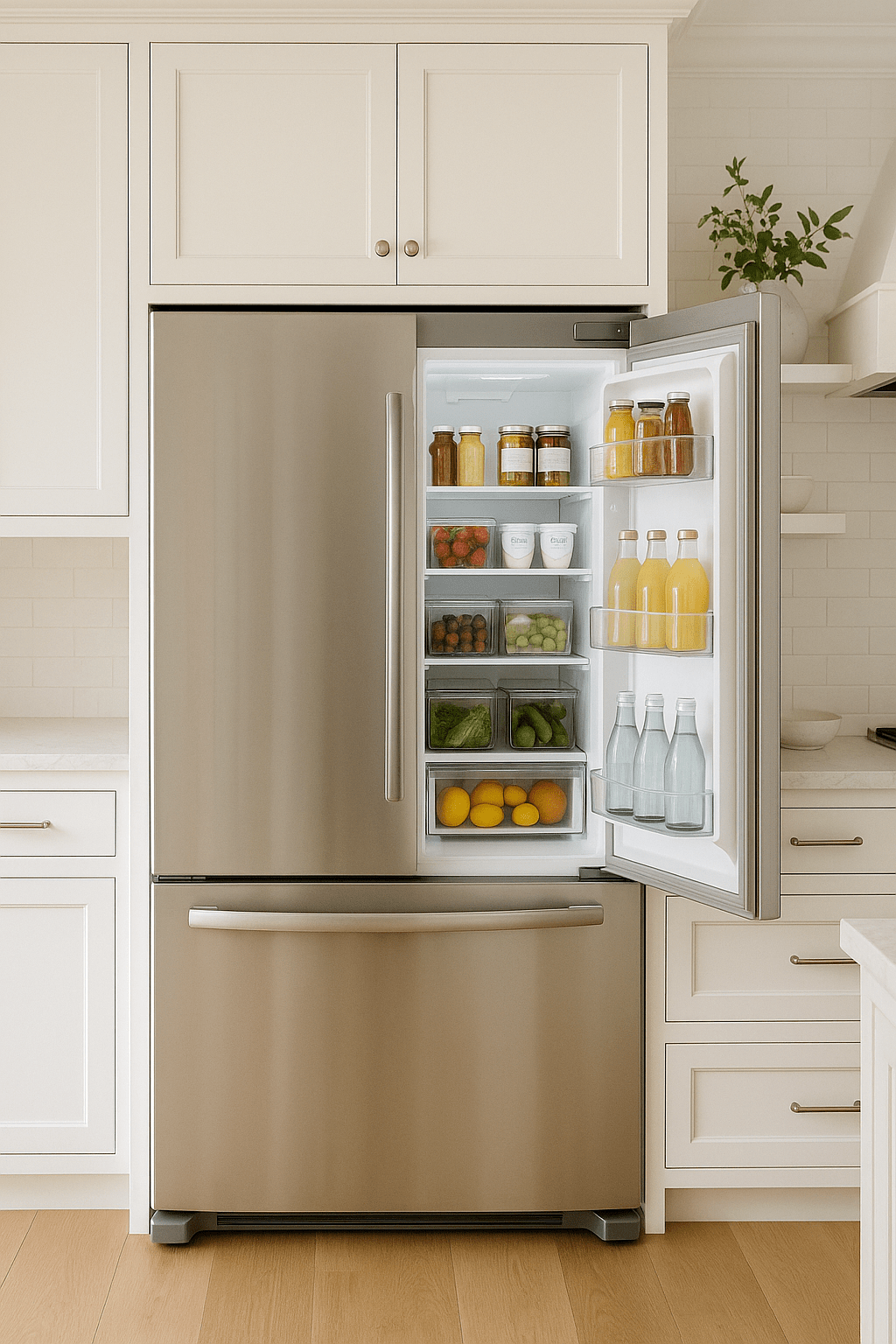
Now that Pesach is over, my fridge finally has space—but I have no idea how to keep it organized. Things always get lost behind something else, and I end up throwing out way too much food. How do I set it up so it actually stays neat?
-Fridge Frustrated
Dear Frustrated,
Ah, post-Pesach. The fridge is finally breathing again, the freezer is a little emptier, and you’re probably wondering—now what?
Now’s the perfect time to organize. And no, I don’t mean another deep clean (although after two weeks of everyone home for Pesach, I could probably use another one). I’m talking about real organizing—so you know what you have, where it is, and you can actually open the fridge without your blood pressure spiking.
But fridges and freezers are tricky. Unlike your closet, where every shirt folds the same way, food comes in every shape, size, and container. Your family is constantly trying new fruits, snacks, sauces… and with Yom Tov after Yom Tov popping up, our freezers are always evolving.
So how do you keep it under control without losing your mind—or your chocolate lebens?
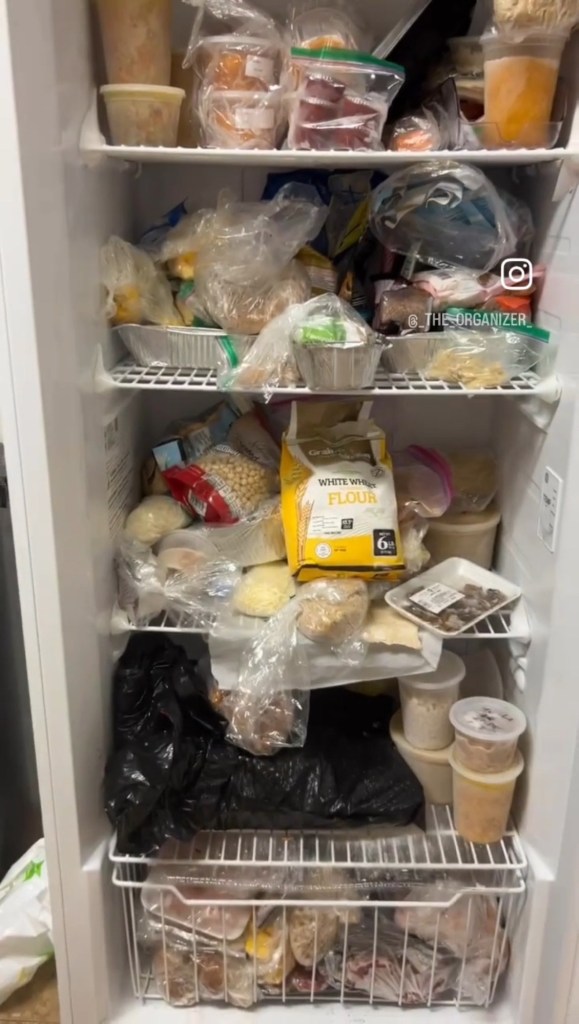
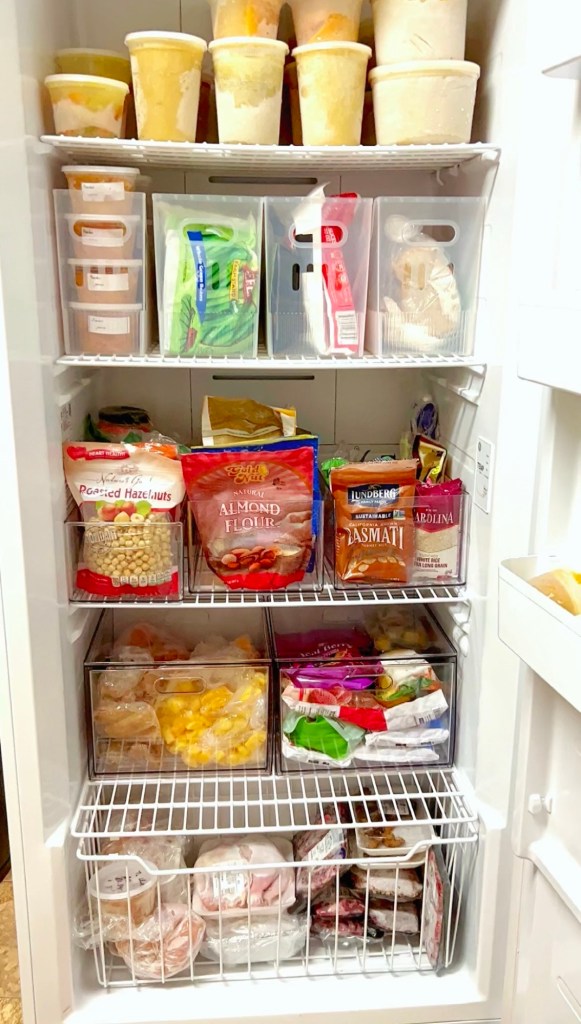
Step 1: Choose One—Fridge or Freezer
Don’t tackle everything at once. Start with either the fridge or the freezer, but not both. Once you choose—commit. Empty it all out so you can see exactly what you’re working with. No shortcuts here—clearing the space is what gives you clarity.
Step 2: Protect Your Surfaces
Lay down a towel or tablecloth wherever you’re unloading—your table, counter, or even the floor. Things might leak, drip, or sweat, and you don’t want a sticky puddle where your challah board usually goes.
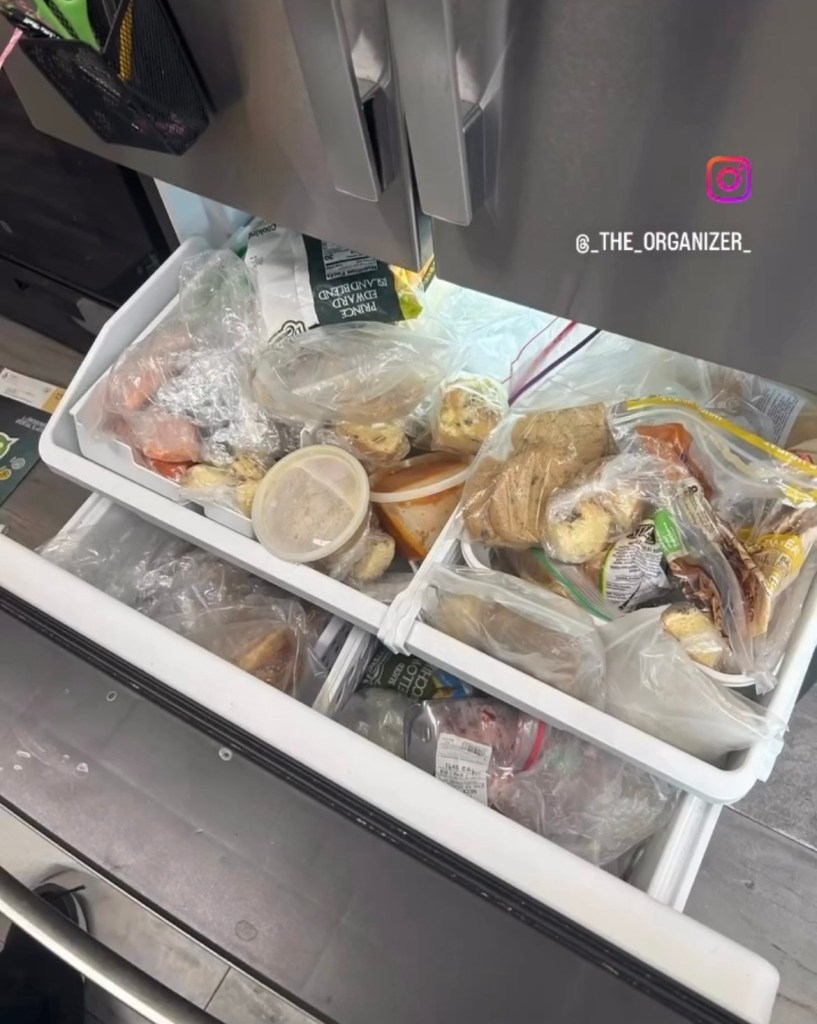
Step 3: Quick Clean as You Go
Even if you deep-cleaned for Pesach, do a quick wipe before putting anything back. Crumbs and spills happen fast—no one wants to restock fresh groceries on top of a crusty tomato stain or sticky duck sauce ring.
Step 4: Toss, Rinse, Categorize
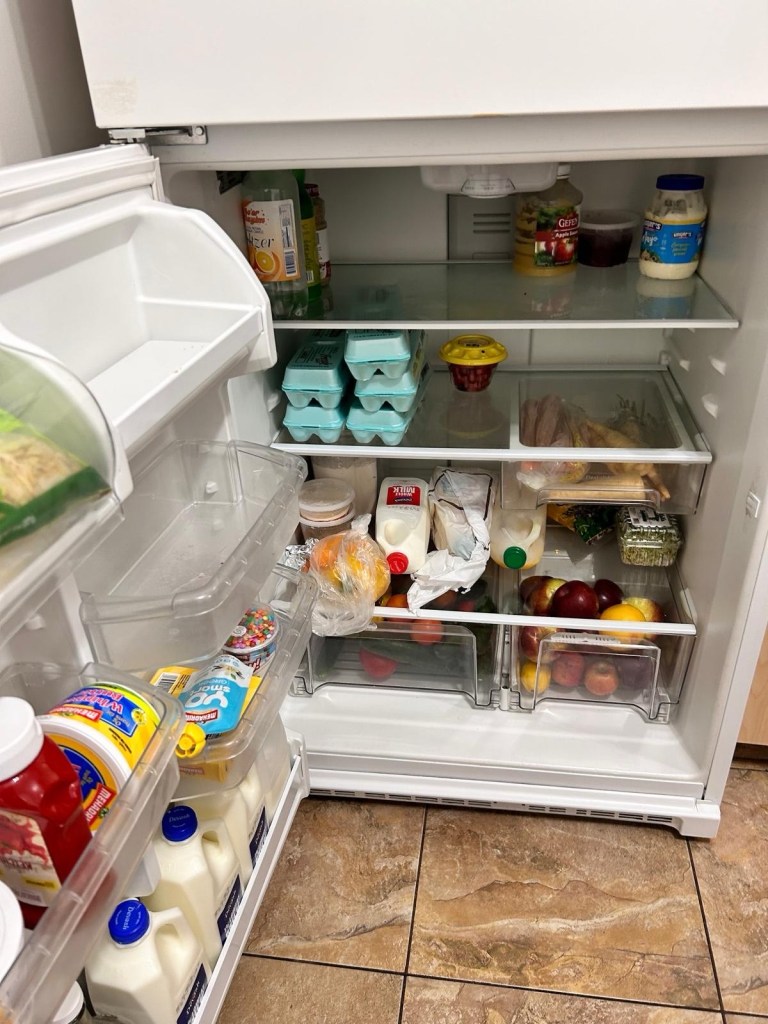
Now’s your chance to be ruthless. Go through everything you pulled out—every bottle, container, and questionable Tupperware. You know those soggy cucumbers hiding in the back of the drawer? It’s time. That kosher l’Pesach sauce you used once but will never use again? Gone.
While you’re at it, rinse off anything sticky or crusted—especially bottles that tend to leak, like soy sauce or syrup. A quick rinse goes a long way in keeping your fridge cleaner in the long run.
As you sort, start grouping things into categories. Put all your dips together, keep dairy with dairy, line up your drinks, and start building mini zones. This isn’t just about tidying—it’s about setting up a system you can actually maintain.
Bonus tip: As you go, make a mental note (or even a quick list) of what you actually use. It helps you avoid rebuying things you already have—and reminds you which items just take up space.
Step 5: Contain (Or Not)
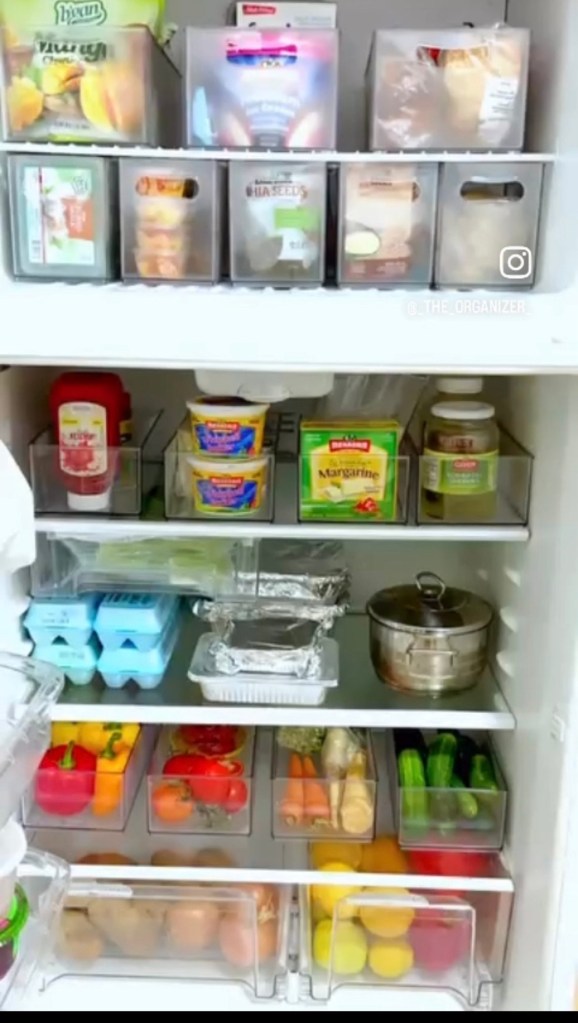
You don’t need bins to organize your fridge—but they definitely help. Just remember, bins take up space, so use them wisely.
If you’re going to invest, look for bins that go all the way to the back of the shelf to maximize depth. Target’s fridge line has great options, including bins with slotted bottoms for berries and produce, and drawer-style bins that slide out so you don’t have to unstack your whole shelf to grab a yogurt.
Some people love decanting—pouring milk into glass bottles or sauces into matching jars. It looks beautiful, but in real life? Bubbles go flat, things spoil faster, and it’s more effort than it’s worth unless you’re really committed. If it makes you happy, great. If not—skip it.
What I do recommend? Matching food containers (Tupperware or disposable). Just having a set of identical clear containers for leftovers, chopped veggies, or fruit can instantly make your fridge look more organized. And yes, your kids are 10x more likely to eat their veggies if they’re washed, visible, and ready to grab.
Step 6: Make It Work for Your Family
There’s no one-size-fits-all fridge system—because no two families eat the same way. So instead of trying to copy what you saw in a magazine, take a minute to think about your habits. What foods are always in your fridge? What gets eaten quickly—and what gets forgotten?
If your crew goes through berries, deli, or washed veggies like clockwork, don’t bury them in a drawer. Put them front and center, where they’re easy to see and grab. If something needs to be eaten soon, make it visible. If it’s for that new recipe you want to try for shabbos, tuck it in the back.
Use your adjustable shelves! So many people forget that they can be moved. Shifting shelf height—even just an inch—can open up room for taller containers or make it easier to group like items. Customize the layout to match your actual needs, not just how it came from the store.
Want to take advantage of vertical space? There are clever accessories that help—like side-mounted holders for yogurts or squeeze packs that clip onto the inside walls. They’re small changes, but they add up. Fridge doors and corners are often underutilized, and using that space can free up your main shelves for the things you reach for most.
In the end, your fridge should support your lifestyle—not stress you out. So design it in a way that makes daily life easier for you.
7: Freezer Logic
Let’s be honest—freezers operate on a whole different level of chaos. Between the deep drawers, pull-outs, top-loaders, and the layer of mystery frost that forms over time, it’s easy for things to get lost.
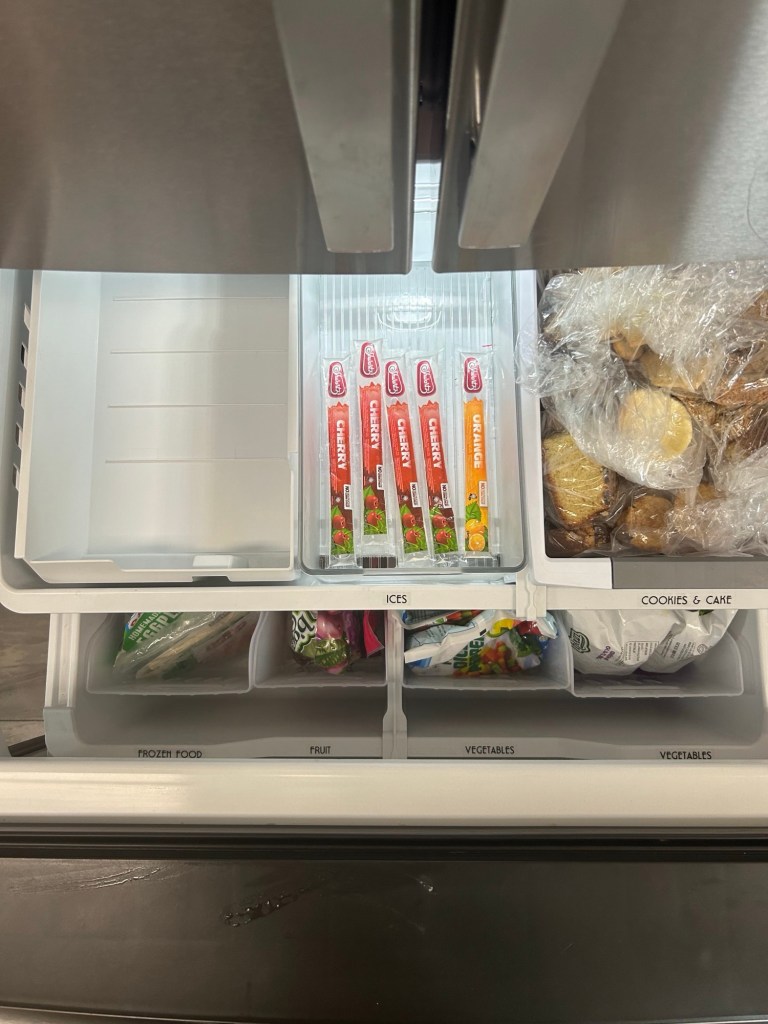
The key to organizing a freezer is to think vertically. You want to build up, not just out—and that’s where multipurpose bins come in. I love these because they’re tall, which helps you take advantage of that upper space that usually goes unused. They’re also semi-transparent, which means they hide the clutter but still give you just enough visibility to know what’s inside. And best of all? They fit beautifully inside pull-out freezers, making them a great option no matter what kind of freezer you’re working with.
When it comes to labeling, keep it simple and broad. Don’t overthink it—just use general categories like chicken, meat, vegetables, and fruit. Your freezer is constantly changing, so the more flexible your system is, the more likely you are to maintain it.
And don’t forget to leave space for real life—those last-minute kugels, random soup containers, or trays of schnitzel you freeze “just in case.” If you know you tend to freeze extras, factor that in. Your freezer should reflect how your family actually lives, not how you wish it did.
One small trick that makes a huge difference? Label everything—twice. One label on the lid, and one on the side. That way, whether something is stacked or defrosting, you still know what it is. You don’t need anything fancy—white sticker labels or masking tape and a Sharpie work just fine. You’ll thank yourself when you’re not unpacking the entire freezer just to find the chocolate cake.
And here’s your permission slip: take out the bins before a big Yom Tov. I said it. Bins are amazing for staying organized day-to-day, but when you’re prepping for a chag and need every square inch, it’s completely okay to pull them out temporarily. Do what works for the moment—and pop them back in when you’re restocking with normal life again.
Final Thoughts: Progress Over Perfection
Your fridge and freezer don’t have to be perfect to be peaceful. They just need to work for you. Focus on real-life function—not unrealistic standards.
Build a system around your habits, your family, and your space. If something makes your life easier, keep it. If it doesn’t—let it go.
And when in doubt? Label it. Rinse it. And if you find that Tupperware from first days in the back of the fridge… maybe don’t open it. Just toss it and move on.
You’ve got this.
Happy Organzing,
Devorah
 The Organizer
Leave a comment