Dear Devorah,
I’ve been loving your articles and have started implementing a lot of your tips—thank you! My home is finally starting to feel more manageable. But here’s my challenge: I feel like I’m the only one trying. I organize, label, set up systems… and my family completely ignores them. I’m trying to stay positive, but it’s frustrating to be the only one who cares. How do I get my family to take organizing seriously too?
Sincerely,
Trying (Not to Nag)
Dear Trying,
Let’s be honest—when it comes to home organization, it can feel like you’re the only one holding back the tidal wave of clutter while everyone else walks through it like it’s part of the decor.You tidy up, only to find your efforts undone faster than your toddler can say, “I didn’t do it.”
But fear not! Here are some tried-and-true strategies to gently (and effectively) nudge your family toward a more organized lifestyle—without yelling, nagging, or giving up.
1. Catch Them in the Act (of Doing Something Right)
Here’s the organizing truth no one talks about: not everyone sees mess the same way. You might walk into a room and feel your blood pressure rise; your spouse might feel right at home. You see a junk drawer that needs to be decluttered—they see a drawer that closes, so… success?
It’s not that they’re wrong. They’re just not looking through the same lens.
So how do you shift their perspective? The most effective way is actually the simplest: catch them in the act of doing something right. People are far more likely to repeat a behavior when they’re praised for it—even if that behavior was semi-accidental.
Instead of pointing out what’s bothering you, start calling out what’s working.
If your child hangs up their backpack without being asked, say something. If your spouse tosses junk mail instead of adding it to the never-ending kitchen pile, say something. Not in an over-the-top way—just a calm, “Hey, I saw that. Thank you.”
This works especially well if you’ve (understandably) been doing the opposite—only speaking up when things are out of place. (“Why is there a sock on the kitchen table?” “Whose cup is this?” Sound familiar?) Flip the script. Start looking for any effort, even a half-effort, and give it a little spotlight.
A quick thank you is all it takes to reinforce the habit:
● “Thanks for putting your shoes in the basket.”
● “I saw you wiped the counter—love that.”
● “That made my day easier. I appreciate it.”
You’re not just encouraging behavior—you’re building awareness. And once they start noticing those moments too, you’ve got real momentum.
2. Keep It Simple, Keep It Obvious
Here’s the hard truth: if a system isn’t super simple, no one’s going to use it. Your family isn’t lazy or defiant—they’re just not going to sort mail into six labeled folders or match Tupperware lids by diameter. Most people (kids included) need systems that are so easy, they can’t really mess them up.
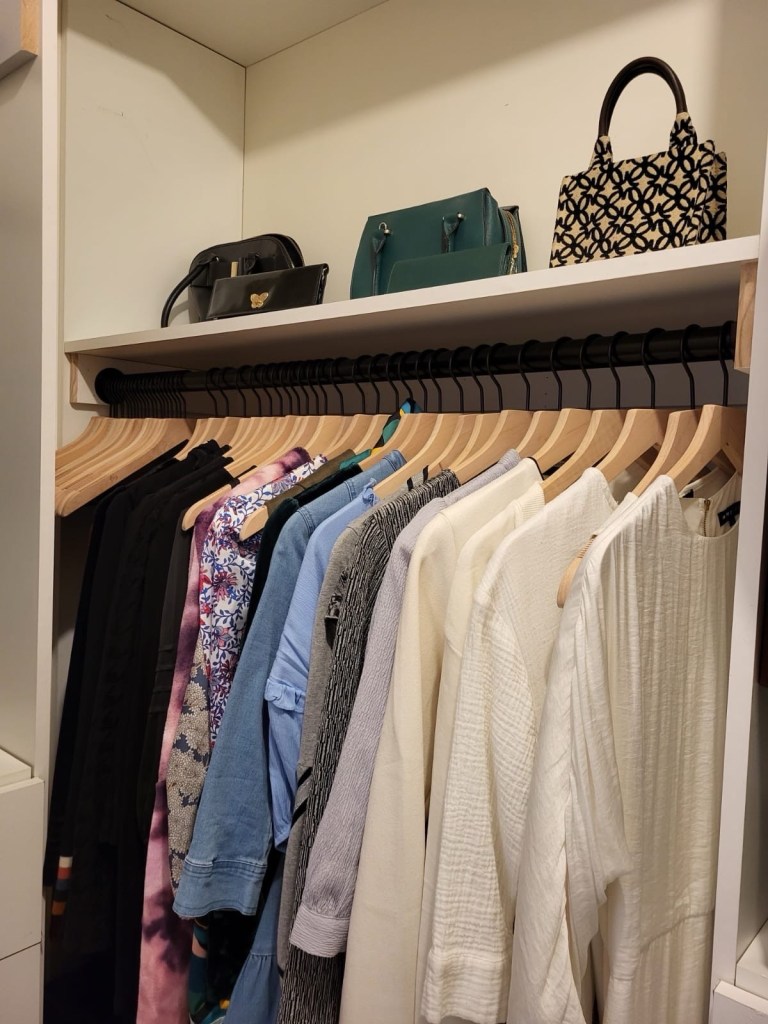
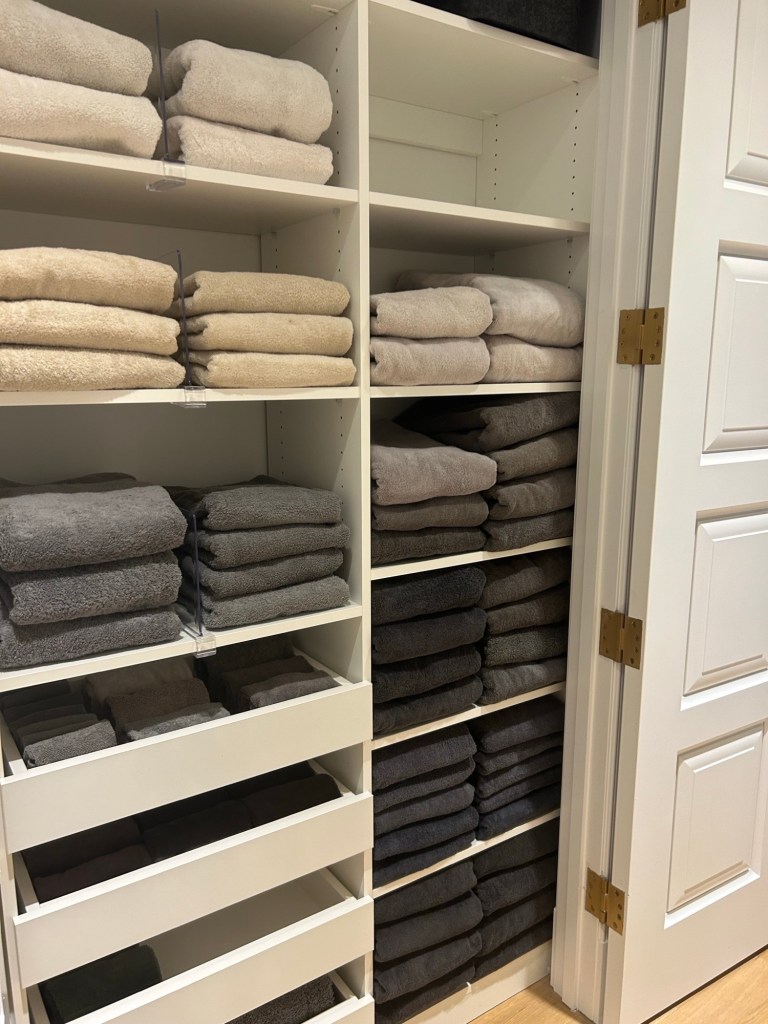
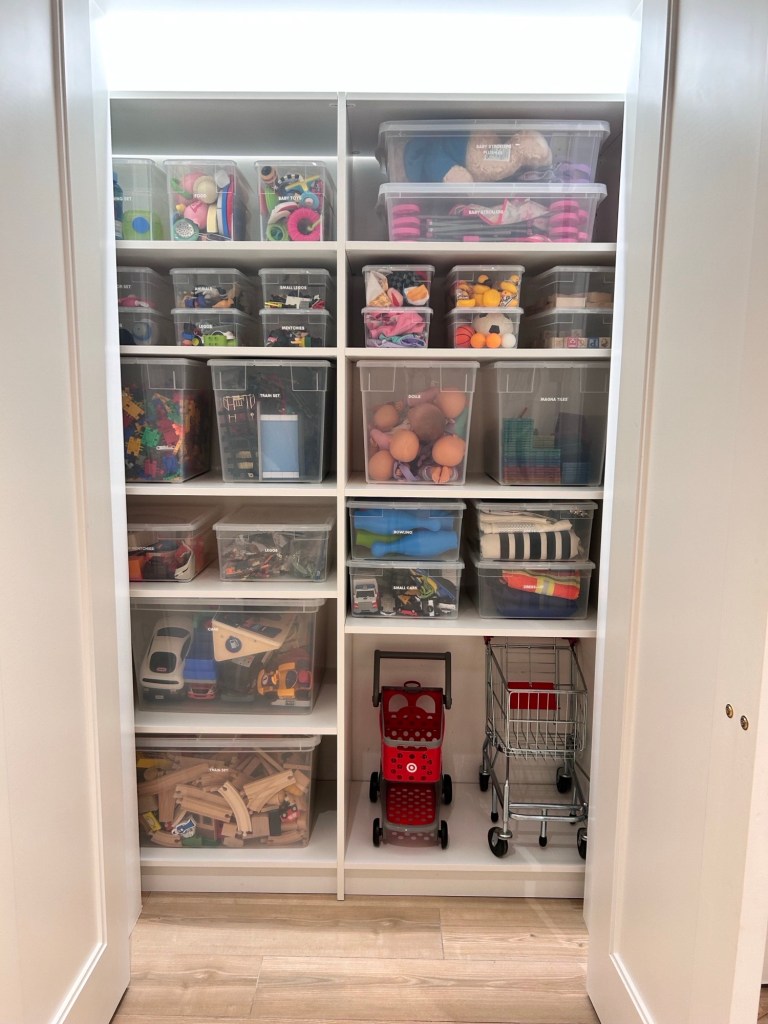
So make it visual. Make it obvious. Put a big bin by the door labeled “Shoes.” Label the snack basket “Snacks.” Don’t try to create a rainbow-coded Lego library with drawers for every color—just use one big bin labeled “Legos” and call it a win. Most of the time, done is better than perfect.
And then—this part is key—tell your family what the system is. Don’t assume they’ll notice the new basket by the stairs or intuitively grasp the genius of your new laundry setup. Walk them through it. Kindly. Clearly.
“Hey, I set this up so dirty clothes can go straight here—can we try this out this week?”
You’re not asking for a speech. You’re just inviting them into the system.
It doesn’t need to be beautiful. It just needs to work. Pretty can come later.
3. Model the Behavior You Want to See
Before you try to convert your entire household into mini organizers, start by quietly modeling the habits you want them to pick up. And I do mean quietly—no dramatic sighing while folding towels, no slamming drawers to prove a point. Just go about your business, calmly putting things back, resetting spaces, and making the occasional low-key comment like, “Ahh, this drawer actually closes now. That’s better.”
You’re planting seeds. When people see you consistently resetting the same area—and especially when they see that it makes life easier—they start to take note. Maybe not out loud, maybe not right away, but it sticks.
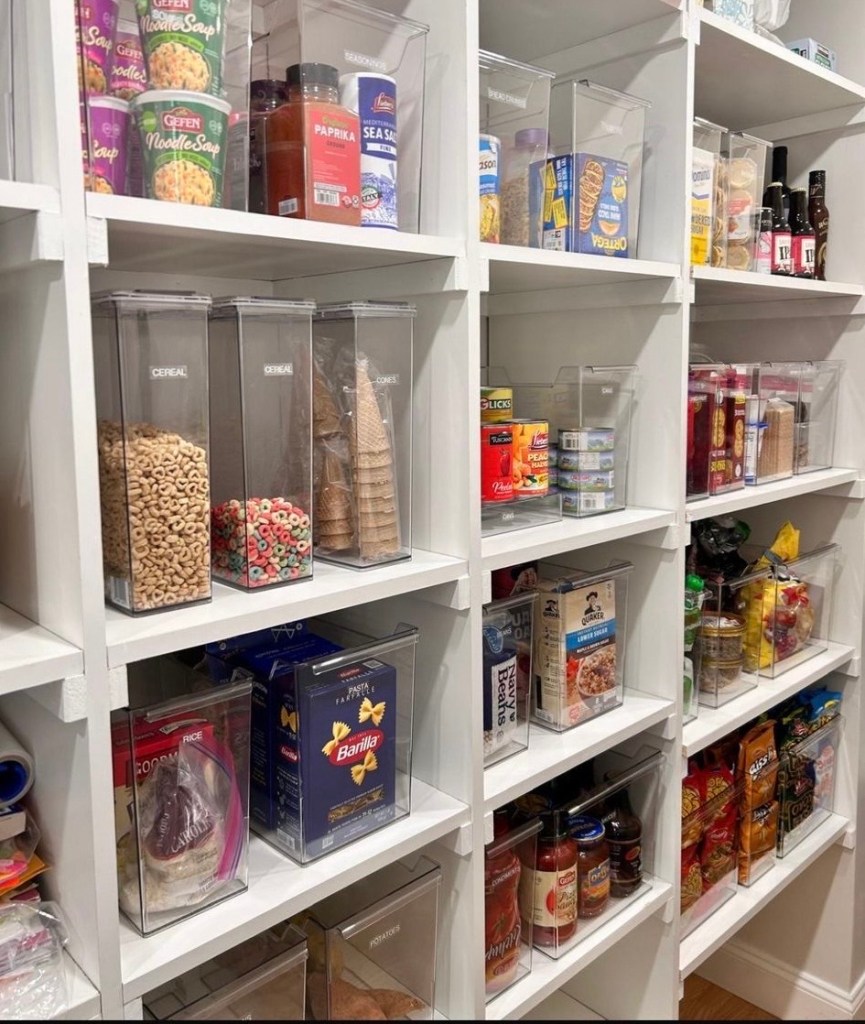
If you want to be extra strategic, start with the spaces they use most. Organize the snack cabinet so they can find what they’re looking for without knocking down six cereal boxes. Tidy the junk drawer so they stop asking, “Have you seen my charger?” every 48 hours.
When you make their lives easier without announcing it, you build quiet credibility. And when they eventually ask, “Where’s the…?” you get to smile and say, “Check the labeled bin.”
It’s a subtle victory—but it counts.
4. Make It Fun—And Keep It Short
No one—literally no one—wants to spend their Sunday organizing the entire house. But ten minutes? That feels doable.
Try reframing it as a “reset” instead of a cleanup. Set a timer, turn on some music, and challenge everyone to reset just one room. Or one drawer. Or one shelf. The key is to keep it short, light, and—dare I say—fun.
“Let’s see who can put away the most toys before the song ends” will always go over better than, “Why is this place a disaster again?”
You don’t need confetti or a reward chart. Just keep the energy upbeat and the timeframe short. If your family knows that organizing doesn’t mean giving up the entire evening, they’ll be a lot more open to doing it again next time.
It’s not about big cleanouts—it’s about quick resets that actually stick.
Final Thoughts
Will your family ever care about organizing as much as you do? Maybe not. But with a few simple shifts—clear systems, consistent modeling, a little fun, and a lot of encouragement—you can absolutely get them to participate. And honestly, that’s more than half the battle.
Progress is the goal, not perfection. If shoes end up in the basket more often than the floor, that’s a win. If the toy closet opens without a mini avalanche, celebrate it. And if someone—anyone—asks, “Where should this go?”… well, you’ve made it.
You’re not just organizing stuff. You’re setting the tone in your home. And even if they don’t say it out loud, they’ll feel the difference.
Happy Organizing,
Devorah
 The Organizer
Leave a comment