

Dear Devorah,
We’re planning a move in the next few months-any tips to help things go more smoothly?
-Moving Mayhem
Dear Moving,
Like most beautiful new things, moving can be… complicated.
There’s so much potential in a fresh space. A new layout, new neighborhood, maybe even a new couch that doesn’t sag when you sit on it. But no matter how exciting the destination is, getting there is a process. Between the packing, the purging, the mental load of coordinating everything, and the endless shuffle of boxes, it’s no wonder people get overwhelmed.
The good news? A smoother move is totally possible. With a little prep (and a touch of strategy), you can stay sane, stay organized, and even have a moment to breathe.
Let’s walk through a few key tips to get you there-with your socks and your sanity intact.
1. Start Early (No, Really)
This might ruffle some feathers, but here goes: packing for a move is kind of like cleaning for Pesach-there’s no such thing as too early.
The minute you know you’re moving-even if it’s not for a while-you can start. Not everything, of course. But the off-season, out-of-the-way stuff? Totally fair game. Pack up those winter coats in May. Box the Pesach dishes in June. Finally deal with that donation pile that’s been giving you side-eye since last Tishrei.
The trick is to find the right balance. You want to get ahead, but not live in a disaster zone for three months. If you’re packing early, make sure the boxes have a home-tucked in a corner, garage, or spare room-so it doesn’t feel like your whole house is one big hallway of cardboard.
2. Declutter As You Pack
Packing is the perfect opportunity to finally let go of the things you don’t need. Every single item is going into your hands anyway – this is your moment to ask, “Do I really want to move this?”
Be honest. Be realistic. Be kind to your future self. Because every unnecessary item you pack is another box you’ll have to carry, unpack, and find a place for later.
If letting go is hard for you (and for many people, it is), bring in support. Ask a friend to come over, or consider hiring a professional organizer. Sometimes just having someone else there helps make those tough decisions easier.
3. Pack With Unpacking in Mind
It’s tempting to throw everything into boxes and figure it out later. But a little strategy now will save you a lot of chaos later. The goal is to pack in a way that makes unpacking easier, not harder.
Here’s how to do that:
● Fold clothing as you go, so it can land right on the shelf or into the drawer without needing to be redone.
● Keep categories clean-if it doesn’t belong together, don’t pack it together. Shabbos candles and board games should not be roommates.
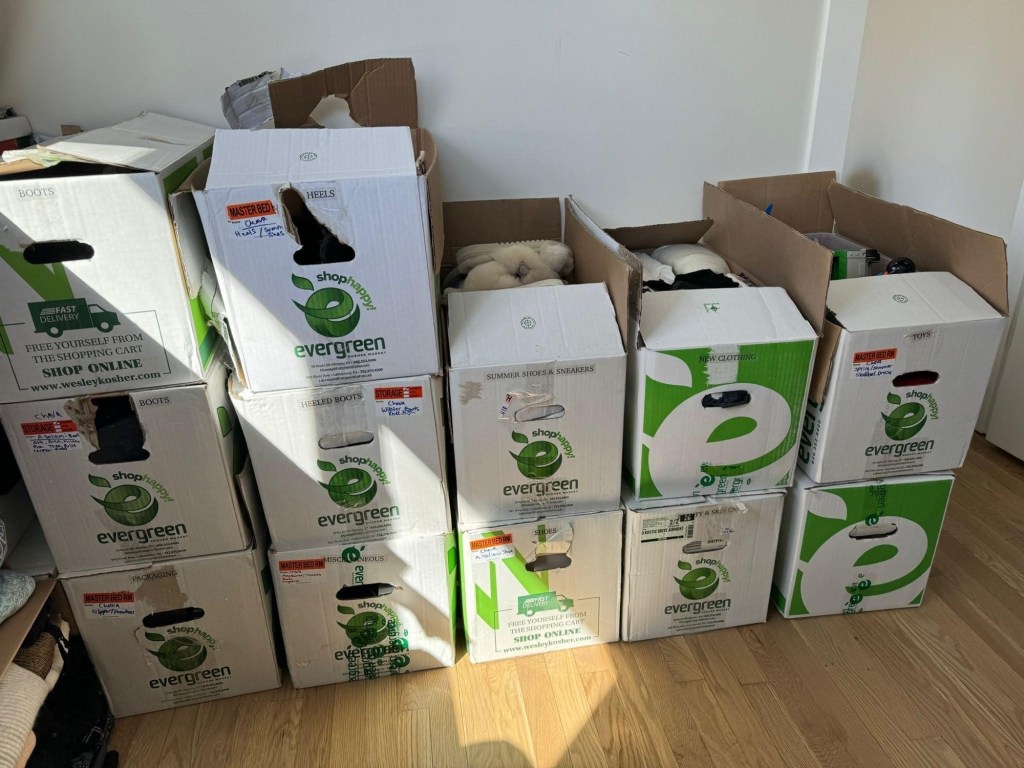
● Label every box clearly with both a number and the room it belongs to.
● Create a master list of what’s in each box-typed, emailed to yourself, or photocopied. Something that won’t disappear mid-move.
Be specific with your labels. Don’t just write “kitchen.” Write “kitchen – dairy utensils, top drawer.” That way, when you’re staring at 12 boxes in your new kitchen, you’ll know which one actually has what you need for breakfast.
Want to go even further? Try color-coding your boxes with colored tape or stickers- one color per room. Then place a matching-colored Post-it or label on the door of each room in the new house. This makes it super easy for movers to drop things in the right place without asking you 47 times where “Box 16” goes.

4. Pack in Stages
Don’t try to pack everything in one frantic weekend. Start with the things you won’t miss-like off-season clothes, books you’re not reading, or appliances you rarely use (hello, waffle maker). Getting those out of the way early will give you room to breathe.
As you get closer to moving day, start packing the more frequently used items-but hold off on the true essentials.
Your must-haves-clothes, toiletries, dishes, chargers-should be packed last. You’ll want those easily accessible until the very end.
Pro tip: pack a “first night” box with just the basics to get you through that first 24 hours. Think: paper plates, cereal, cutlery, a few snacks, toothbrushes, pajamas, maybe even a roll of toilet paper. Label it clearly and either bring it in your car or make sure it’s the final box loaded, so it’s the first one off. You’ll thank yourself later.

5. Prep Your Beds Ahead of Time
Here’s a little moving trick I love: Roll up your beds-already made.
In the morning, make your bed as usual-fitted sheet, blanket, pillow-then strip it in one piece, keeping everything layered together. Roll it up into a bundle and slide the whole thing into a large garbage bag.
When you get to your new place, just unroll-and boom, your bed is already made.
6. Choose the Right Movers
Don’t just go with the first company you find. Do your homework:
● Ask around.
● Read reviews.
● Compare pricing.
Once you’ve booked your movers, here are some pro tips:
● Ask how they prefer to be tipped a day or two before the move. it’s not just about etiquette-it sets the tone. When movers know there’s a tip coming, they’re usually a little more careful, a little more helpful, and the whole day runs better.
● Prep some cold drinks and water bottles for the crew. It’s a small gesture that goes a long way-especially on a hot or stressful day.

7. Be Practical About Supplies
You don’t need to spend a fortune on bubble wrap. Towels, sheets, and soft clothing make great padding for fragile items-and you’re packing them anyway, so it’s a win-win.
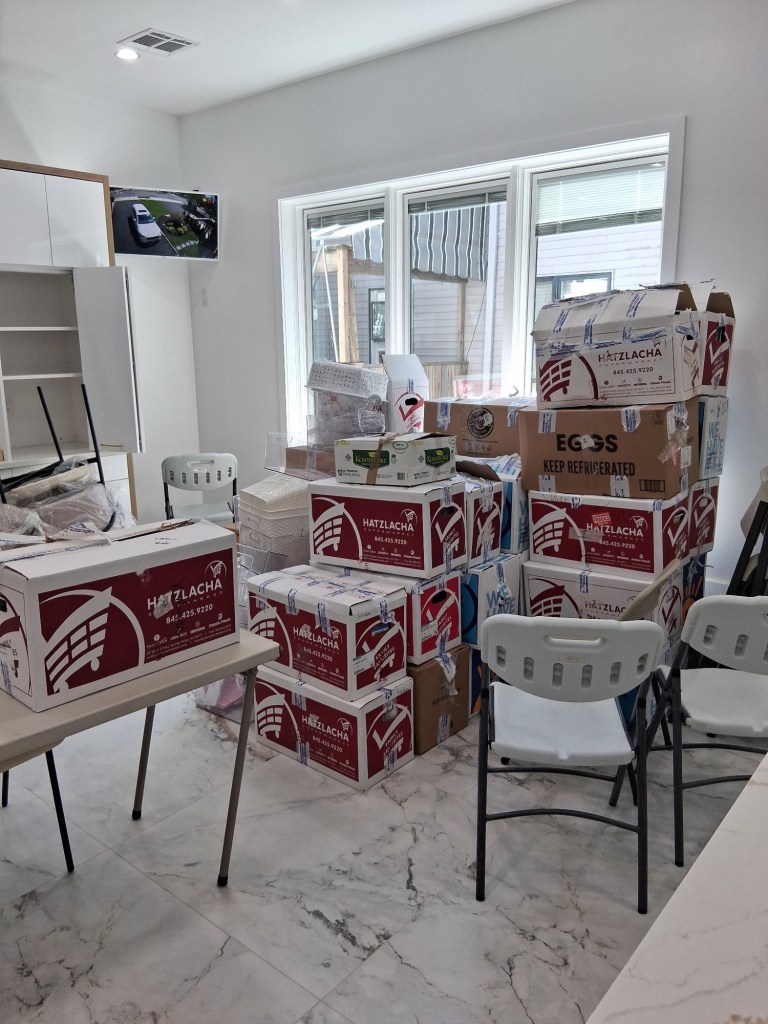
Grocery store boxes are another smart move. They’re sturdy, stack easily, and usually much better priced than boxes from a supply store. Plus, they’re often the perfect size-not too big, not too small.
When it comes to books or anything heavy, stick with smaller boxes. Overstuffed boxes are hard to lift and prone to tearing open mid-move. But don’t under-pack either-half-empty boxes can collapse when stacked. Aim for full, but not overflowing.
And for anything especially fragile, valuable, or sentimental – like your grandmother’s dishes or your wedding jewelry – play it safe and move it yourself. Some things are just too important to trust to the back of a moving truck.
8. Unpack Slowly and Strategically
Moving day is exhausting. Don’t pressure yourself to do everything immediately.
Focus on the bare minimum: beds, bathrooms, pajamas, and enough dishes to feed your people. Let the rest wait. You’ll get to it.
I once heard someone say you have a full year to unpack your last box. Now – as an organizer, I wouldn’t exactly recommend waiting that long. But I get the sentiment. It’s okay if it takes time. Moving is big. You deserve a little grace.
9. You Don’t Need to Organize Everything at Once
Moving is already expensive. You don’t have to buy bins for your entire house the day you move in.
What I usually recommend to clients is this: start with the key rooms. Focus on the kitchen, the playroom, maybe the primary bedroom closet – spaces that make daily life easier when they’re functional. The rest? That can absolutely wait. You can build out systems room by room, at your own pace, once you’re living in the space and know what’s working.
That said, if new toy bins are on your list anyway, this is a great opportunity to get ahead. Use the move as a reset: pack toys directly into the new, labeled bins based on your future closet layout. When you get to the new place, you’re not just unpacking – you’re setting up a system that’s ready to go from the moment you arrive.
Final Thought
Moving is a transition – and like any big change, it comes with chaos. But with a bit of prep, a touch of humor, and a lot of Sharpie labels, it can also be a launchpad to a calmer, better-organized home.
And when in doubt? Breathe. Drink some water. And go find the box with your coffee mugs.
You’ve got this.
Happy Organizing,
Devorah
 The Organizer
Leave a comment