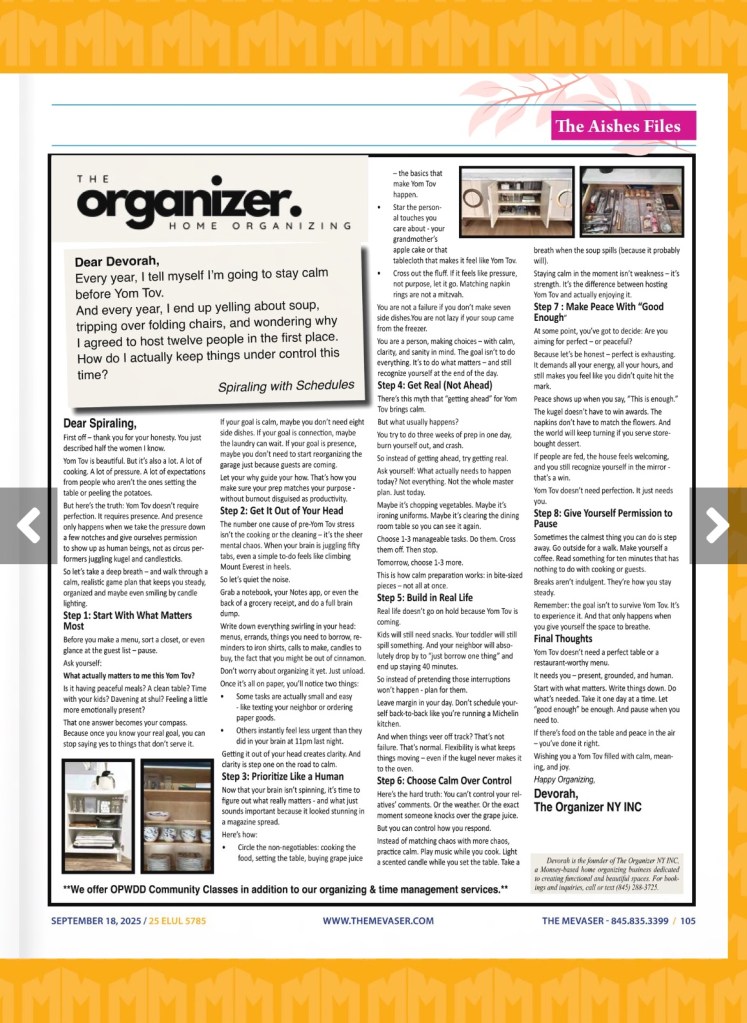
Dear Devorah,
Every year, I tell myself I’m going to stay calm before Yom Tov.
And every year, I end up yelling about soup, tripping over folding chairs, and wondering why I agreed to host twelve people in the first place. How do I actually keep things under control this time?
– Spiraling with Schedules

Dear Spiraling,
First off – thank you for your honesty. You just described half the women I know.
Yom Tov is beautiful. But it’s also a lot. A lot of cooking. A lot of pressure. A lot of expectations from people who aren’t the ones setting the table or peeling the potatoes.
But here’s the truth: Yom Tov doesn’t require perfection. It requires presence. And presence only happens when we take the pressure down a few notches and give ourselves permission to show up as human beings, not as circus performers juggling kugel and candlesticks.
So let’s take a deep breath – and walk through a calm, realistic game plan that keeps you steady, organized and maybe even smiling by candle lighting.
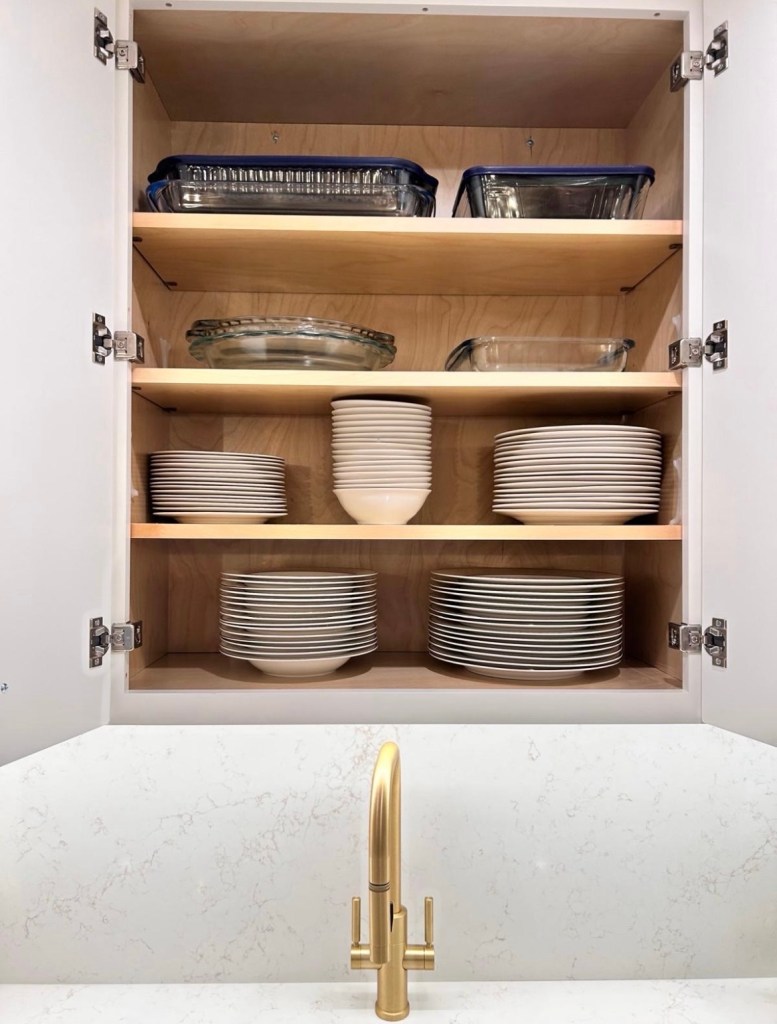
Step 1: Start With What Matters Most
Before you make a menu, sort a closet, or even glance at the guest list – pause.
Ask yourself:
What actually matters to me this Yom Tov?
Is it having peaceful meals? A clean table? Time with your kids? Davening at shul? Feeling a little more emotionally present?
That one answer becomes your compass. Because once you know your real goal, you can stop saying yes to things that don’t serve it.
If your goal is calm, maybe you don’t need eight side dishes. If your goal is connection, maybe the laundry can wait. If your goal is presence, maybe you don’t need to start reorganizing the garage just because guests are coming.
Let your why guide your how. That’s how you make sure your prep matches your purpose – without burnout disguised as productivity.
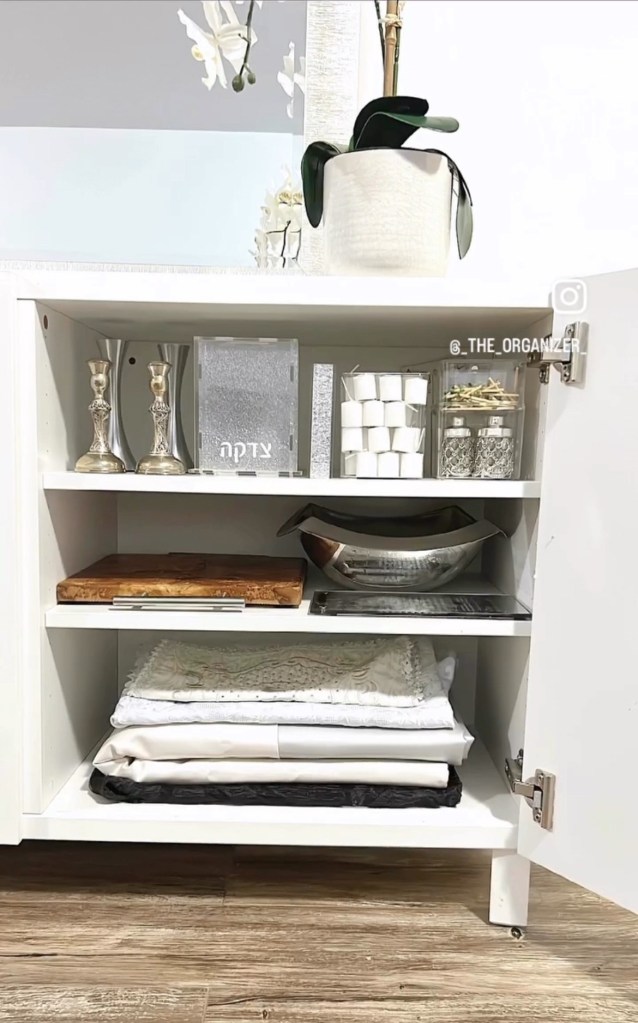
Step 2: Get It Out of Your Head
The number one cause of pre-Yom Tov stress isn’t the cooking or the cleaning – it’s the sheer mental chaos. When your brain is juggling fifty tabs, even a simple to-do feels like climbing Mount Everest in heels.
So let’s quiet the noise.
Grab a notebook, your Notes app, or even the back of a grocery receipt, and do a full brain dump.
Write down everything swirling in your head: menus, errands, things you need to borrow, reminders to iron shirts, calls to make, candles to buy, the fact that you might be out of cinnamon.
Don’t worry about organizing it yet. Just unload.
Once it’s all on paper, you’ll notice two things:
● Some tasks are actually small and easy – like texting your neighbor or ordering paper goods.
● Others instantly feel less urgent than they did in your brain at 11 p.m. last night.
Getting it out of your head created clarity. And clarity is step one on the road to calm.
Step 3: Prioritize Like a Human
Now that your brain isn’t spinning, it’s time to figure out what really matters – and what just sounds important because it looked stunning in a magazine spread.
Here’s how:
● Circle the non-negotiables: cooking the food, setting the table, buying grape juice – the basics that make Yom Tov happen.
● Star the personal touches you care about – your grandmother’s apple cake or that tablecloth that makes it feel like Yom Tov.
● Cross out the fluff. If it feels like pressure, not purpose, let it go. Matching napkin rings are not a mitzvah.
You are not a failure if you don’t make seven side dishes.You are not lazy if your soup came from the freezer.
You are a person, making choices – with calm, clarity, and sanity in mind. The goal isn’t to do everything. It’s to do what matters – and still recognize yourself at the end of the day.

Step 4: Get Real (Not Ahead)
There’s this myth that “getting ahead” for Yom Tov brings calm.
But what usually happens?
You try to do three weeks of prep in one day, burn yourself out, and crash.
So instead of getting ahead, try getting real.
Ask yourself: What actually needs to happen today? Not everything. Not the whole master plan. Just today.
Maybe it’s chopping vegetables. Maybe it’s ironing uniforms. Maybe it’s clearing the dining room table so you can see it again.
Choose 1–3 manageable tasks. Do them. Cross them off. Then stop.
Tomorrow, choose 1–3 more.
This is how calm preparation works: in bite-sized pieces – not all at once.
Step 5: Build in Real Life
Real life doesn’t go on hold because Yom Tov is coming.
Kids will still need snacks. Your toddler will still spill something. And your neighbor will absolutely drop by to “just borrow one thing” and end up staying 40 minutes.
So instead of pretending those interruptions won’t happen – plan for them.
Leave margin in your day. Don’t schedule yourself back-to-back like you’re running a Michelin kitchen.
And when things veer off track? That’s not failure. That’s normal. Flexibility is what keeps things moving – even if the kugel never makes it to the oven.
Step 6: Choose Calm Over Control
Here’s the hard truth: You can’t control your relatives’ comments. Or the weather. Or the exact moment someone knocks over the grape juice.
But you can control how you respond.
Instead of matching chaos with more chaos, practice calm. Play music while you cook. Light a scented candle while you set the table. Take a breath when the soup spills (because it probably will).
Staying calm in the moment isn’t weakness – it’s strength. It’s the difference between hosting Yom Tov and actually enjoying it.

Step 7 : Make Peace With “Good Enough”
At some point, you’ve got to decide: Are you aiming for perfect – or peaceful?
Because let’s be honest – perfect is exhausting. It demands all your energy, all your hours, and still makes you feel like you didn’t quite hit the mark.
Peace shows up when you say, “This is enough.”
The kugel doesn’t have to win awards. The napkins don’t have to match the flowers. And the world will keep turning if you serve store-bought dessert.
If people are fed, the house feels welcoming, and you still recognize yourself in the mirror – that’s a win.
Yom Tov doesn’t need perfection. It just needs you.
Step 8: Give Yourself Permission to Pause
Sometimes the calmest thing you can do is step away. Go outside for a walk. Make yourself a coffee. Read something for ten minutes that has nothing to do with cooking or guests.
Breaks aren’t indulgent. They’re how you stay steady.
Remember: the goal isn’t to survive Yom Tov. It’s to experience it. And that only happens when you give yourself the space to breathe.
Final Thoughts
Yom Tov doesn’t need a perfect table or a restaurant-worthy menu.
It needs you – present, grounded, and human.
Start with what matters. Write things down. Do what’s needed. Take it one day at a time. Let “good enough” be enough. And pause when you need to.
If there’s food on the table and peace in the air – you’ve done it right.
Wishing you a Yom Tov filled with calm, meaning, and joy.
Happy Organizing,
Devorah
 The Organizer
Leave a comment